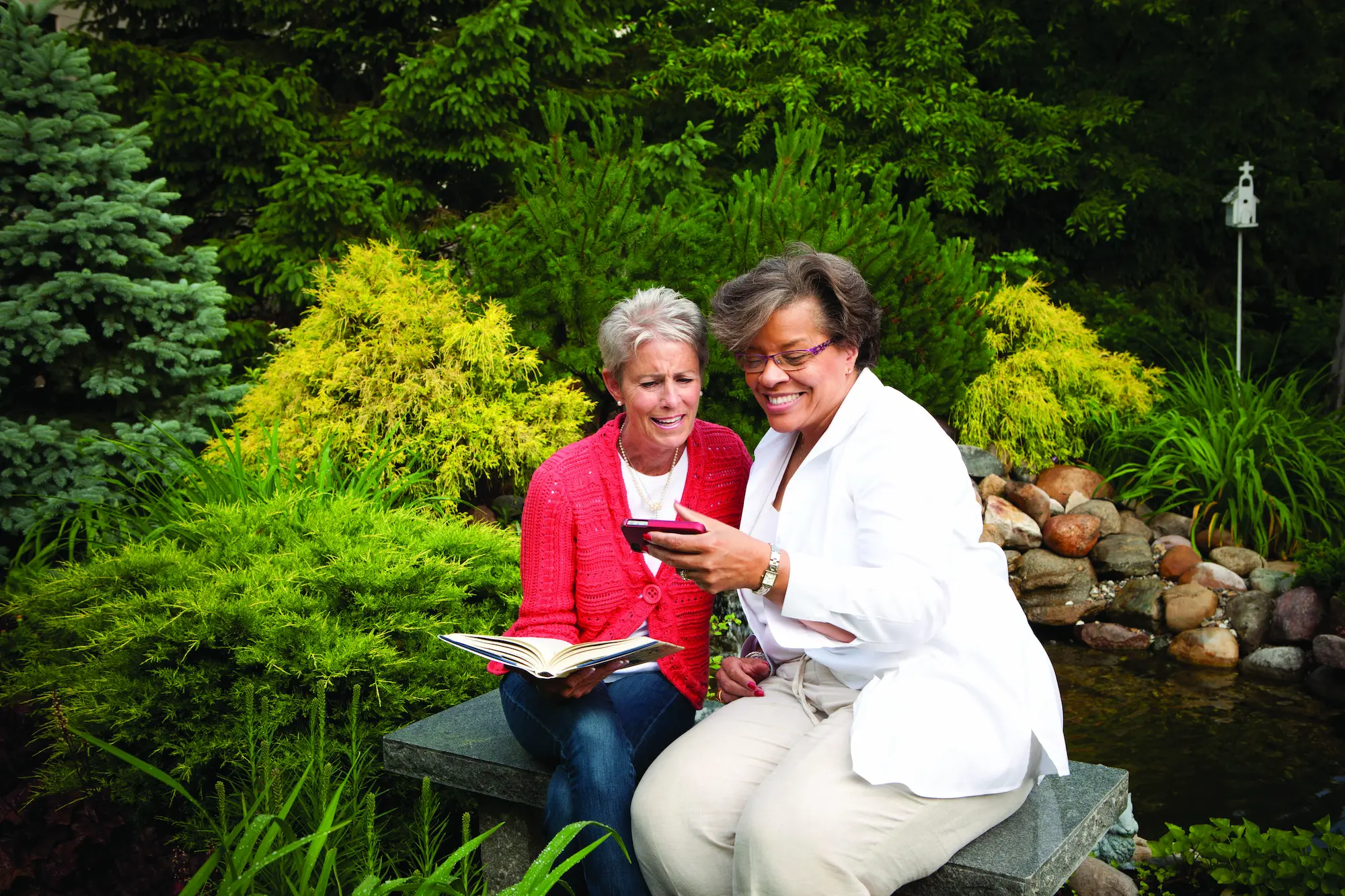
Smart Mental Health Practices For Seniors
Retirement is the beginning of a new chapter in life, bringing fresh opportunities along with new adjustments. During this stage, it’s important to give your emotional well-being the same thoughtful attention as your diet and sleep (both of which play an important role in mental wellness in seniors and overall health).
Below are six simple, approachable ways to support senior mental health, with practical ideas for weaving each habit into your everyday life. Plus, learn how Westminster Village in West Lafayette, IN, supports senior wellness in all areas.
1) Take Care of Your Body
Your physical health and emotional well-being are closely linked, and when one is overlooked, the other often feels the impact. That’s why a whole-person approach is one of the most effective mental health practices for seniors. Here’s how to get started:
- Stay active: Regular movement helps keep your body strong while also elevating your mood by releasing endorphins and easing everyday stress.
- Get quality sleep: Poor rest can increase irritability, stress, and other mental health issues seniors may experience. For help with quality sleep, talk to your doctor about options such as a sleep study or CPAP machine.
- Eat a balanced diet: Limit your caffeine intake and include lean proteins like chicken, fish, eggs, or nuts. Omega-3–rich foods, such as salmon or tuna, are also important. Be aware of any sudden changes in appetite, as they may indicate stress.
- Follow medication guidelines: Take any prescriptions consistently and as directed, paying attention to timing, food requirements, and potential side effects that may influence mood, energy, or focus.
2) Keep Your Brain Active
Lifelong learning is one of the simplest ways to maintain your mental sharpness and emotional balance. Regular mental stimulation is a great support for memory, cognition, and mental wellness in seniors.
Westminster Village offers a wide range of clubs and programming to keep your social life active. Activate your brain with activities like:
- Exploring a hobby: Revisit a favorite pastime or try something new like painting, gardening, or woodworking.
- Practicing an instrument: Music challenges the brain while encouraging creativity and focus.
- Attending educational events: Seminars, lectures, or community classes can spark both curiosity and connection with others.
- Embracing online learning: Virtual courses and workshops make it easy to explore new interests from home.
- Diving into media: Books, podcasts, and documentaries can introduce fresh perspectives and ideas.
3) Stay Socially Connected
Strong social connections are essential for emotional and cognitive health in retirement. Regular interaction (whether face-to-face, over the phone, or via video) supports mood, memory, and long-term senior mental health.
Spending time with friends, family, and neighbors also encourages emotional resilience and helps life’s challenges feel more manageable. Shared experiences and mutual support can be especially meaningful during times of change. Simple ways to stay connected include:
- Catch up with loved ones: Plan regular visits, calls, or shared meals with friends and family.
- Join a support group: Connecting with others navigating similar experiences can be a reassuring and helpful experience.
- Participate in community activities: Clubs, volunteer opportunities, and local events can help you build new relationships around shared interests.
4) Limit Your Social and Media Use
In today’s always-connected world, constant news and social media can feel overwhelming. Too much exposure (especially to negative or sensational content) can increase anxiety, stress, and even contribute to depression. Practicing mindful media habits is one of the smart mental health practices for seniors.
Helpful social media strategies include:
- Setting boundaries: Choose specific times of day to check news or social platforms rather than scrolling continuously.
- Choosing reliable sources: Balanced, factual reporting helps reduce unnecessary worry and stress.
- Focusing on positivity: Uplifting stories and inspirational content can help restore perspective.
5) Practice Gratitude
Amid daily routines, it’s easy to overlook small moments of joy. Making time to notice and appreciate them can gently shift focus away from stress and toward contentment, which is an important step in how to improve mental health in older adults.
Gratitude looks different for everyone. Ready to begin? Try these easy, accessible practices:
- Journaling: Write down meaningful moments, kind gestures, or simple every day pleasures.
- Meditation or mindfulness: Set aside time to reflect on people and experiences that bring you comfort or happiness.
- Spiritual practices: Prayer or quiet reflection can be powerful ways to express appreciation.
6) Establish a Daily Routine
A daily routine adds structure, purpose, and consistency, helping support emotional balance and reduce stress. Wondering how to help seniors with depression? Thoughtful routines are an important tool, helping to create rhythm and connection throughout the day.
Easy routine ideas include:
- Starting gently: Morning stretching, breathing exercises, or meditation can set a mindful tone for your day.
- Eating regularly: Consistent meals help maintain energy and focus.
- Spending time outdoors: A walk, gardening, or sitting in the sun can refresh both your mind and body.
- Winding down before bed: Limiting screen time in the evening encourages more restful sleep.
Your routine doesn’t need to be rigid. Whether you prefer flexible time blocks or set plans with friends, the goal is simply to create habits you enjoy and can maintain over time.
Support Your Mental Health at Westminster Village
At Westminster Village in West Lafayette, IN, residents enjoy a community thoughtfully designed to support emotional well-being, connection, and personal growth. From engaging activities and lifelong learning opportunities to social gatherings and wellness-focused programming, Westminster Village offers meaningful ways to nurture seniors’ mental healthin everyday life.
Contact us to learn more and discover if Westminster Village is the right place to support your next chapter with confidence and peace of mind.